Cultivating Resilience: Grow Your Own Food Today
- petsupaint
- Mar 18
- 5 min read

In a world where uncertainty seems to be the only constant, cultivating resilience has never been more important. One of the most empowering ways to build this resilience is by growing your own food. Not only does it provide a sense of accomplishment, but it also fosters a deeper connection to nature and promotes self-sufficiency. Whether you have a sprawling backyard or a small balcony, you can start your journey toward food independence today.
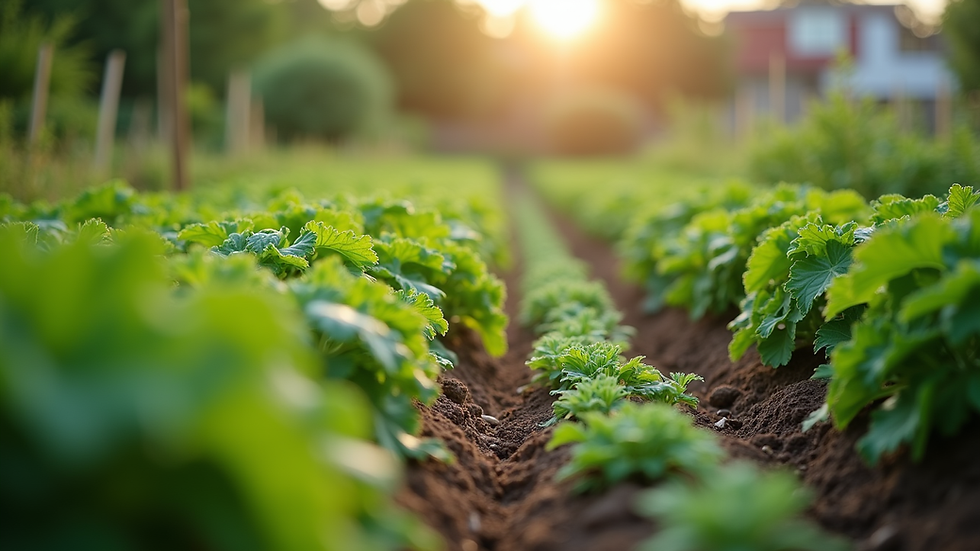
Understanding the Benefits of Growing Your Own Food
Growing your own food offers numerous benefits that extend beyond just having fresh produce at your fingertips. Here are some key advantages:
Health Benefits
Nutritional Value: Homegrown fruits and vegetables are often more nutritious than store-bought options. You can harvest them at their peak ripeness, ensuring maximum flavor and nutrient content.
Physical Activity: Gardening is a great way to stay active. It involves various physical tasks that can improve your overall fitness and well-being.
Economic Advantages
Cost Savings: Growing your own food can significantly reduce your grocery bills. Seeds and plants are often inexpensive, and once established, they can yield produce for months or even years.
Food Security: In times of crisis, having your own food supply can provide peace of mind. You won't have to rely solely on grocery stores, which may face shortages.
Environmental Impact
Sustainability: By growing your own food, you can reduce your carbon footprint. You control the growing process, which means you can avoid harmful pesticides and fertilizers.
Biodiversity: Home gardens can support local ecosystems by providing habitats for beneficial insects and wildlife.
Getting Started: Planning Your Garden
Before you dig in, it's essential to plan your garden effectively. Here are some steps to consider:
Assess Your Space
Size: Determine how much space you have available. This could be a backyard, a community garden plot, or even containers on a balcony.
Sunlight: Observe how much sunlight your chosen area receives. Most vegetables need at least six hours of direct sunlight daily.
Choose Your Crops
Beginner-Friendly Options: If you're new to gardening, start with easy-to-grow crops like tomatoes, lettuce, and radishes. These plants are forgiving and can thrive in various conditions.
Seasonal Considerations: Research what crops grow best in your climate and during which seasons. This will help you plan your planting schedule effectively.
Create a Garden Layout
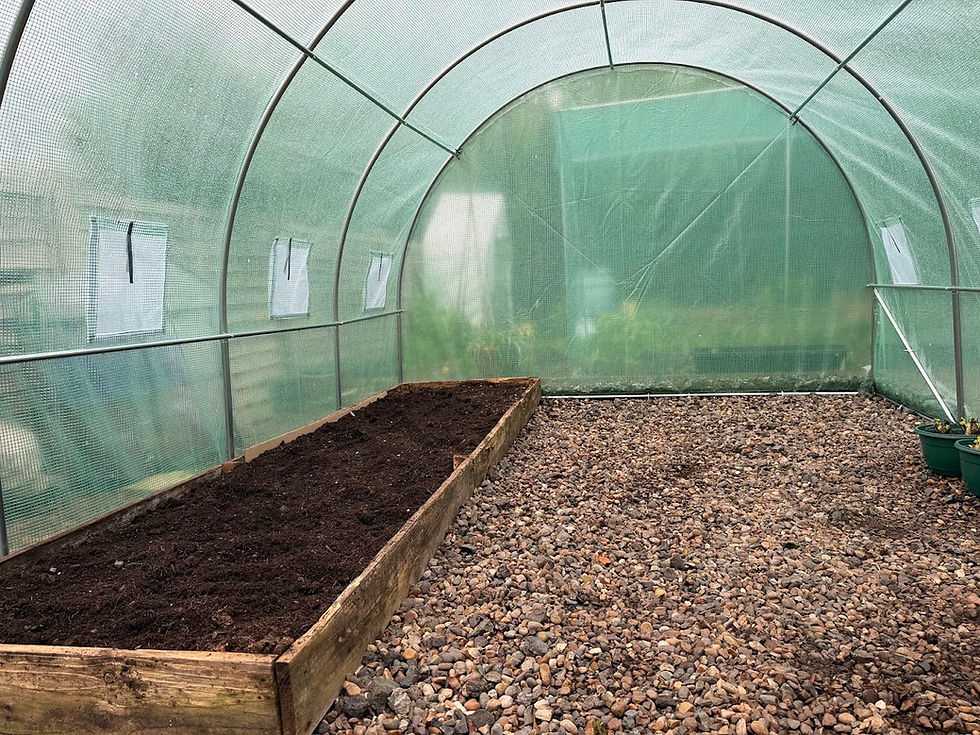
Raised Beds vs. In-Ground: Decide whether you want to create raised garden beds or plant directly in the ground. Raised beds can improve drainage and soil quality.
Companion Planting: Consider planting compatible crops together. For example, tomatoes and basil grow well side by side and can enhance each other's growth.
Preparing Your Soil
Healthy soil is the foundation of a successful garden. Here’s how to prepare it:
Testing Soil Quality
Soil Test Kits: Use a soil test kit to determine pH levels and nutrient content. This information will guide you in amending your soil.
Organic Matter: Incorporate organic matter such as compost or well-rotted manure to improve soil structure and fertility.
Tilling and Aeration
Tilling: Break up compacted soil to improve aeration and drainage. This can be done with a garden fork or a tiller.
Mulching: Apply a layer of mulch to retain moisture, suppress weeds, and regulate soil temperature.
Planting Your Seeds
Once your soil is ready, it’s time to plant. Follow these steps for successful planting:
Seed Selection
Quality Seeds: Choose high-quality seeds from reputable sources. Organic seeds are often a good choice for those looking to avoid chemicals.
Seed Starting Indoors: For certain crops, consider starting seeds indoors to get a jump on the growing season.
Planting Techniques
Depth and Spacing: Follow the seed packet instructions for planting depth and spacing. Proper spacing ensures that plants have enough room to grow.
Watering: Water gently after planting to avoid displacing seeds. Keep the soil consistently moist until seedlings emerge.
Caring for Your Garden
Maintaining your garden is crucial for a successful harvest. Here are some essential care tips:
Watering
Consistent Moisture: Water your plants regularly, especially during dry spells. Early morning is the best time to water, as it reduces evaporation.
Drip Irrigation: Consider installing a drip irrigation system for efficient watering.
Pest Management
Natural Solutions: Use natural pest control methods, such as introducing beneficial insects like ladybugs or using neem oil.
Regular Monitoring: Check your plants regularly for signs of pests or diseases. Early detection can prevent larger issues.
Fertilization
Organic Fertilizers: Use organic fertilizers to provide essential nutrients without harming the environment.
Compost: Regularly add compost to your garden to enrich the soil and promote healthy plant growth.
Harvesting Your Produce
The moment you've been waiting for—harvesting! Here’s how to do it right:
Timing
Peak Ripeness: Harvest your crops when they are at their peak ripeness for the best flavor and nutritional value.
Regular Harvesting: Regularly harvesting encourages plants to produce more. For example, picking beans or cucumbers can lead to a more abundant yield.
Proper Techniques
Gentle Handling: Handle your produce gently to avoid bruising. Use sharp scissors or garden shears for clean cuts.
Storage: Store your harvested produce properly to extend its shelf life. Some vegetables do better in the fridge, while others can be stored at room temperature.
Preserving Your Harvest
To make the most of your bounty, consider preserving your harvest. Here are some methods:
Canning
Water Bath Canning: This method is ideal for high-acid foods like tomatoes and pickles. Ensure you follow safe canning practices to avoid spoilage.
Pressure Canning: For low-acid foods, pressure canning is necessary to prevent bacterial growth.
Freezing
Blanching: Blanch vegetables before freezing to preserve their color and texture. This involves briefly boiling them and then plunging them into ice water.
Vacuum Sealing: Use vacuum sealers to remove air from bags, which helps prevent freezer burn.
Building a Community
Growing your own food can also be a communal activity. Here are ways to connect with others:
Community Gardens
Join a Local Garden: Many cities have community gardens where you can rent a plot and share resources with fellow gardeners.
Workshops and Events: Participate in gardening workshops to learn new skills and meet like-minded individuals.
Sharing Your Harvest
Gift Produce: Share your excess produce with neighbors or friends. This not only fosters community but also reduces food waste.
Farmers Markets: Consider selling your surplus at local farmers markets. This can be a great way to connect with your community and earn a little extra income.
Conclusion
Growing your own food is a rewarding journey that cultivates resilience, self-sufficiency, and a deeper connection to nature. By taking the first steps today, you can enjoy the numerous benefits of gardening while contributing to a more sustainable future. Whether you start small with a few pots on your balcony or dive into a full-fledged garden, remember that every little effort counts. Embrace the process, learn from your experiences, and enjoy the fruits of your labor. Start your gardening adventure today and reap the rewards for years to come!


Comments